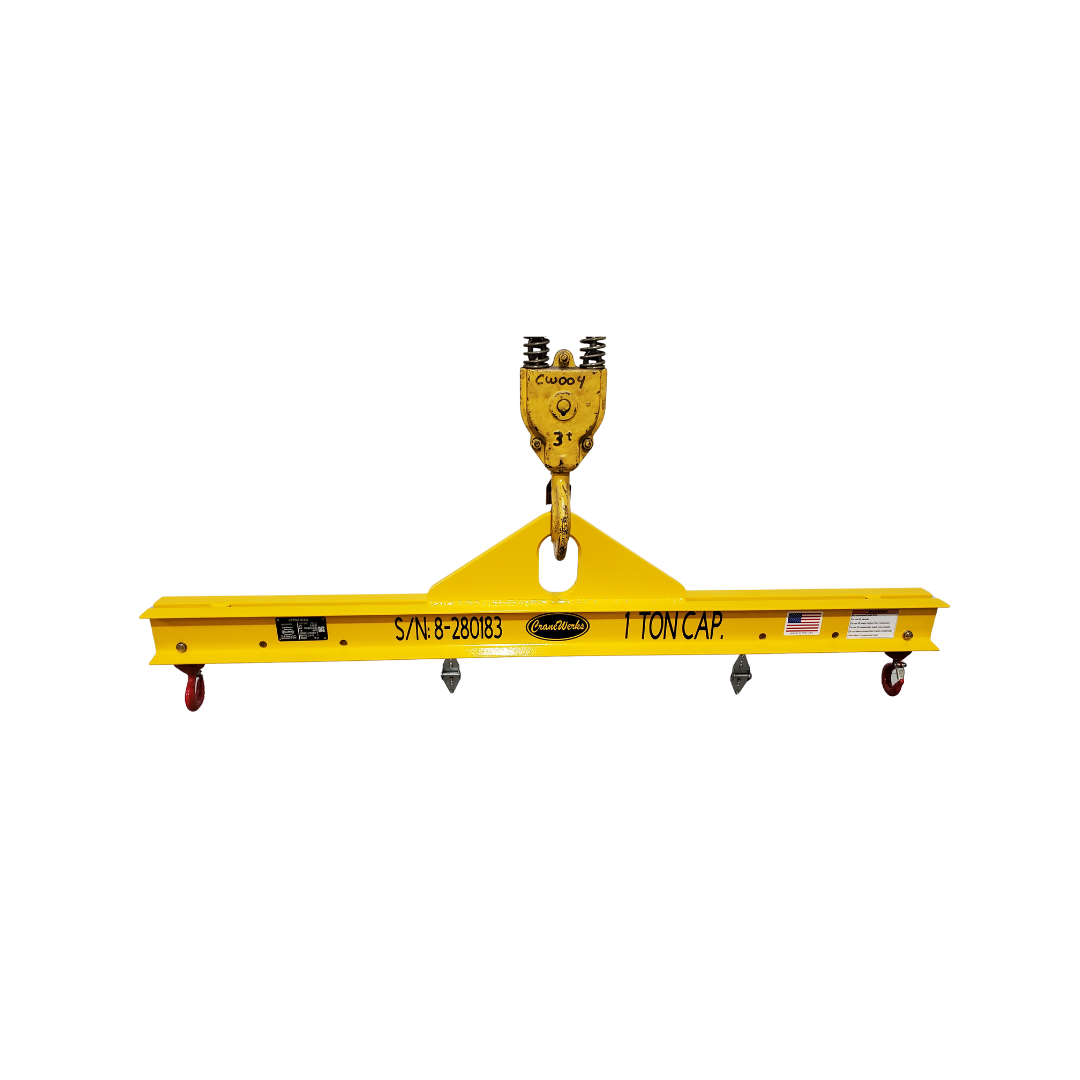
 https://www.cranewerks.com/wp-content/uploads/2026/07/Standard-Lifting-Beam.png
1080
1080
CraneWerks
https://www.cranewerks.com/wp-content/uploads/2023/09/CW_FC-WEB-Logo_23.svg
CraneWerks2026-07-23 12:40:352026-08-04 09:36:59Standard Lifting Beams
https://www.cranewerks.com/wp-content/uploads/2026/07/Standard-Lifting-Beam.png
1080
1080
CraneWerks
https://www.cranewerks.com/wp-content/uploads/2023/09/CW_FC-WEB-Logo_23.svg
CraneWerks2026-07-23 12:40:352026-08-04 09:36:59Standard Lifting Beams

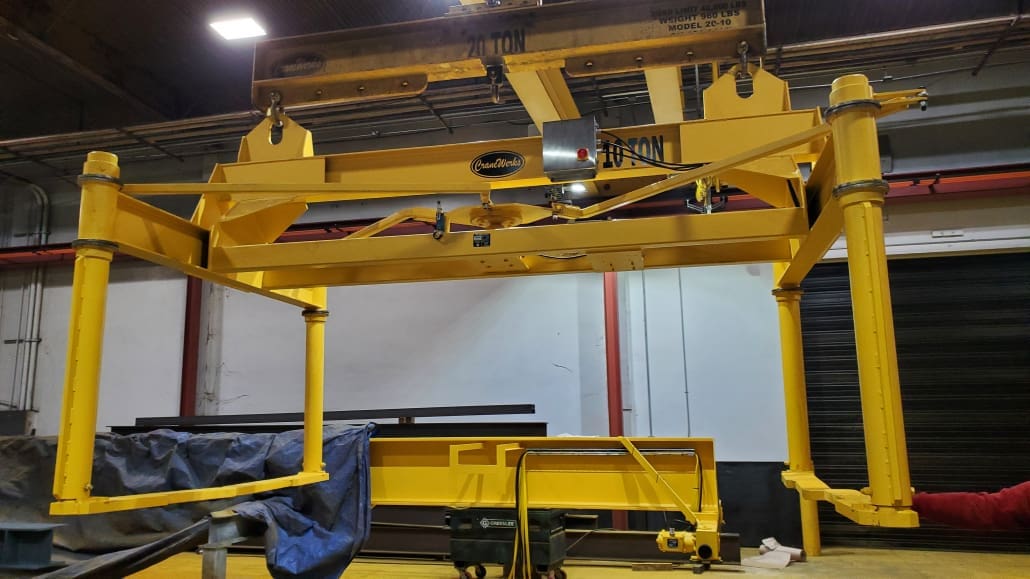

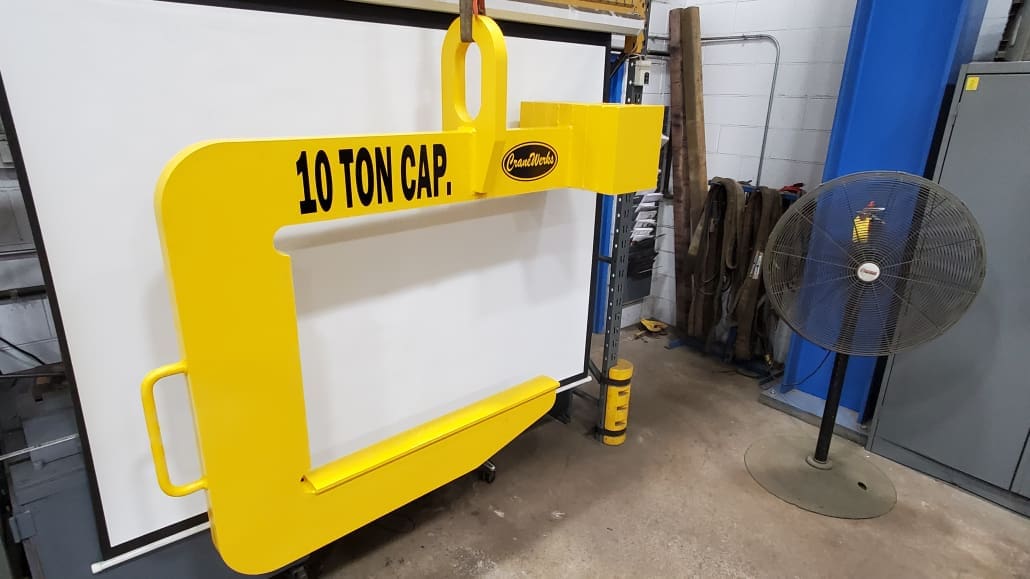
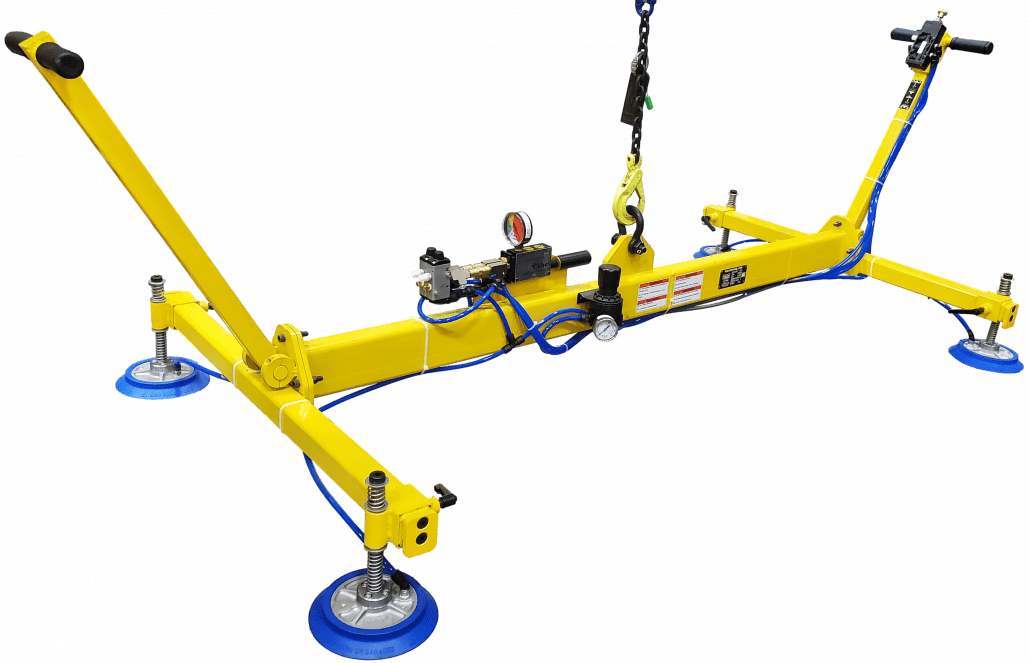
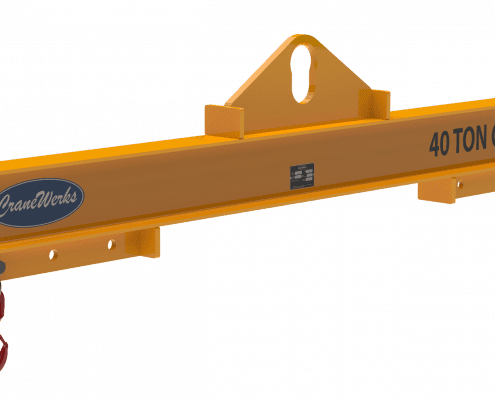

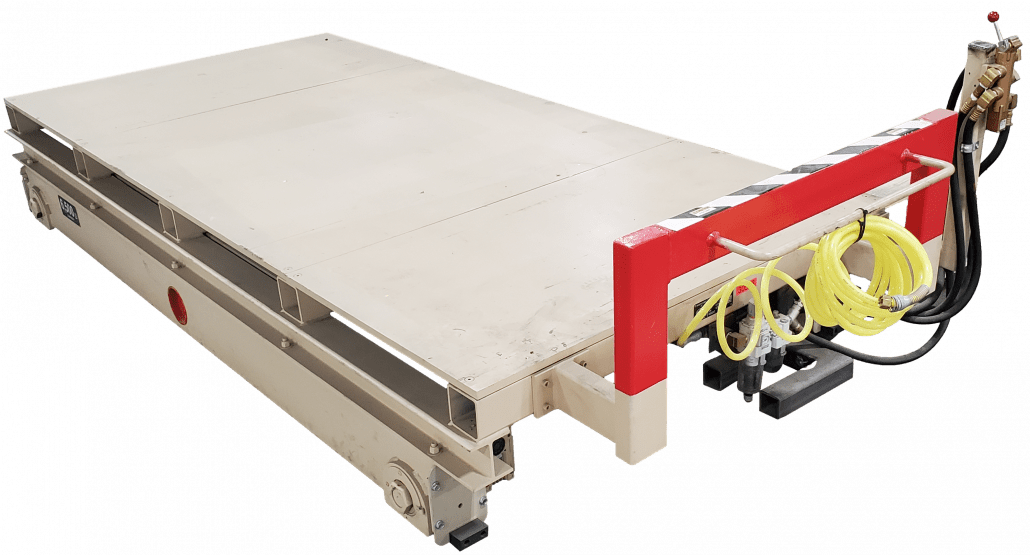
Some products just can’t be bought off of the shelf or picked out of a catalog. Below-the-hook lifting devices tend to fall into this category. Our Engineering department prides itself on designing and fabricating “Serial Number 001” lifters – meaning a totally custom material handling device that’s never been designed or made by our team before.
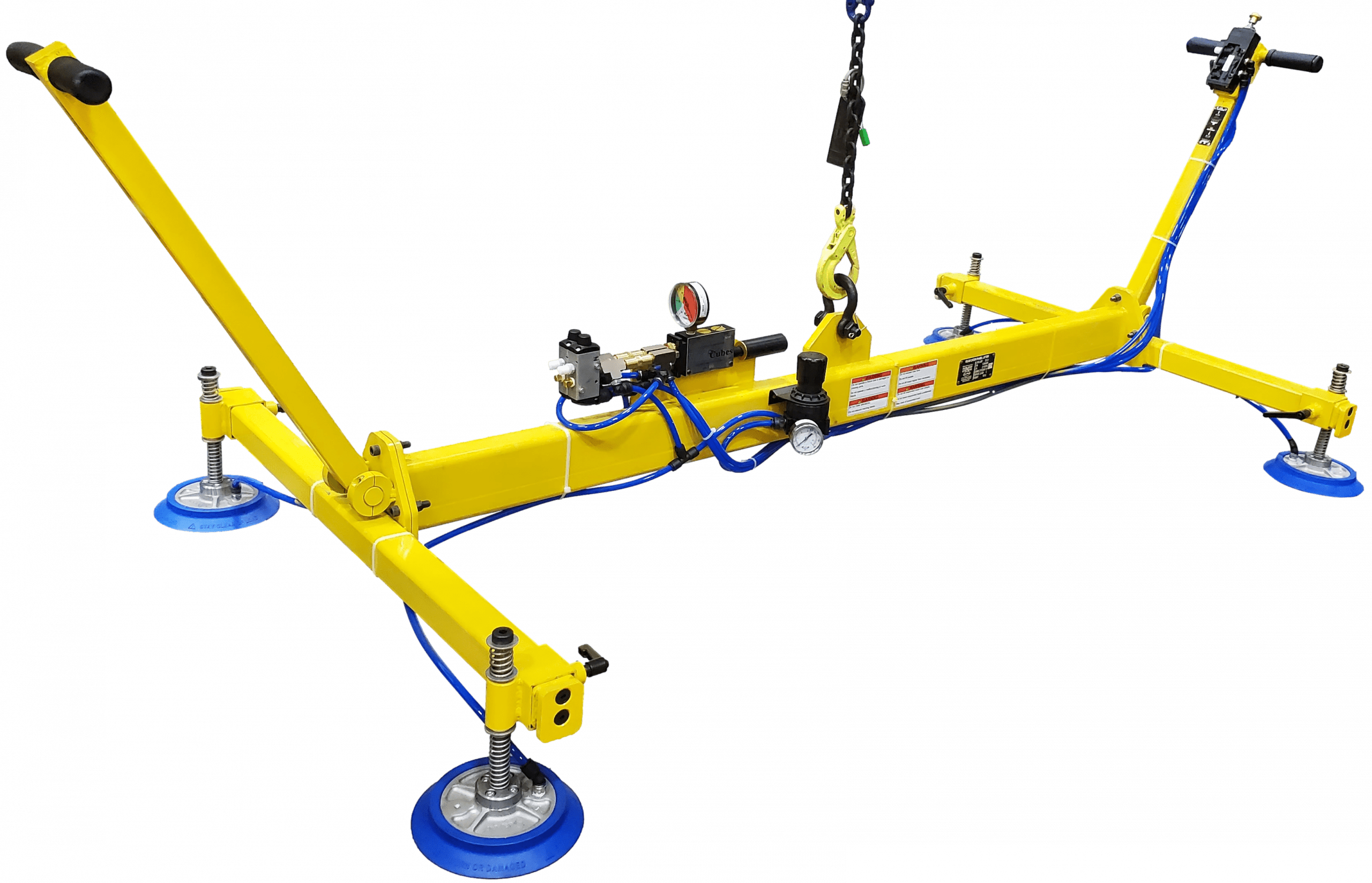
The Advantage of Custom Material Handling
The advantage of this is that the device is custom-designed for your specific lifting application. Special consideration is given to the environment it will be used in, the type of load it will be lifting, and how often it will be used.
Standard Devices Often Become Custom
Some lifting devices, like spreader beams or lifting beams, can be more standardized in their design and there may be an off-the-shelf solution available. However, we often see different factors that can take a standard lifting device and turn it into a custom material handling device, including changes to:
- Rated capacity
- Fixed or adjustable spread
- Number and location of bail(s)
- Number and location of lifting lugs
- Length and height requirements
- Low headroom or obstruction considerations
What You Need to Know About Below-the-Hook Devices
Understand that when you buy a below-the-hook lifter—whether it’s a lifting beam, c-hook, tongs, or something else—you’re most likely going to end up with a custom material handling solution. If you plan to go with the cheapest option and “try to make something work” from a catalog, you may end up with a product that’s under-specified or not designed for your unique environment or lifting application.
Figuring Out Your Custom Material Handling Needs
It may seem like you would have covered this already, but you’ll want to go into as much detail as possible about the type of load or material that is being lifted.
For example, you may want to use lifting tongs to lift metal tubes that have a highly-polished finish and you can’t afford for them to get scuffed or marred. The manufacturer would need to add in additional protection so that there isn’t steel-on-steel contact which could scratch or damage the product.
Or, you may be lifting batteries or some other type of product with electrical properties. Many companies will use lifters made from wood or fiberglass since these are non-conductive materials. Any type of hardware used in conjunction with those lifters may need to be bronze-coated—which can be rather expensive. Contact us to figure out your custom material handling needs!
Published April 1, 2026 | Edited April 2, 2026
Related Articles
https://www.cranewerks.com/wp-content/uploads/2026/07/Standard-Lifting-Beam.png
1080
1080
CraneWerks
https://www.cranewerks.com/wp-content/uploads/2023/09/CW_FC-WEB-Logo_23.svg
CraneWerks2026-07-23 12:40:352026-08-04 09:36:59Standard Lifting Beams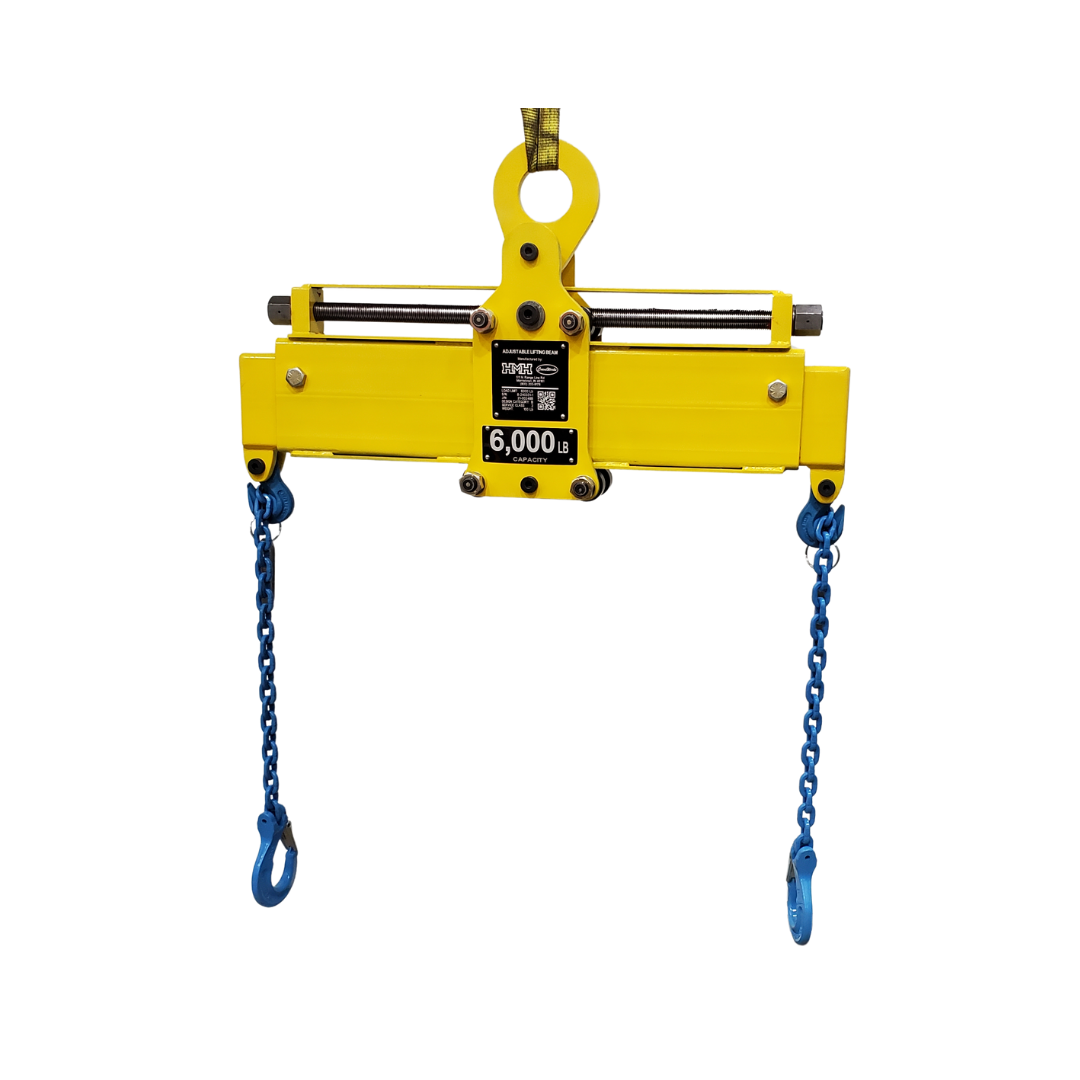 https://www.cranewerks.com/wp-content/uploads/2026/07/Custom-Lifting-Beam.png
1080
1080
CraneWerks
https://www.cranewerks.com/wp-content/uploads/2023/09/CW_FC-WEB-Logo_23.svg
CraneWerks2026-07-23 12:20:542026-07-23 13:08:33Custom Lifting Beams
https://www.cranewerks.com/wp-content/uploads/2026/07/Custom-Lifting-Beam.png
1080
1080
CraneWerks
https://www.cranewerks.com/wp-content/uploads/2023/09/CW_FC-WEB-Logo_23.svg
CraneWerks2026-07-23 12:20:542026-07-23 13:08:33Custom Lifting Beams https://www.cranewerks.com/wp-content/uploads/2026/07/Lifting-Basket.png
1080
1080
CraneWerks
https://www.cranewerks.com/wp-content/uploads/2023/09/CW_FC-WEB-Logo_23.svg
CraneWerks2026-07-23 11:42:372026-07-23 11:47:23Material Baskets
https://www.cranewerks.com/wp-content/uploads/2026/07/Lifting-Basket.png
1080
1080
CraneWerks
https://www.cranewerks.com/wp-content/uploads/2023/09/CW_FC-WEB-Logo_23.svg
CraneWerks2026-07-23 11:42:372026-07-23 11:47:23Material Baskets