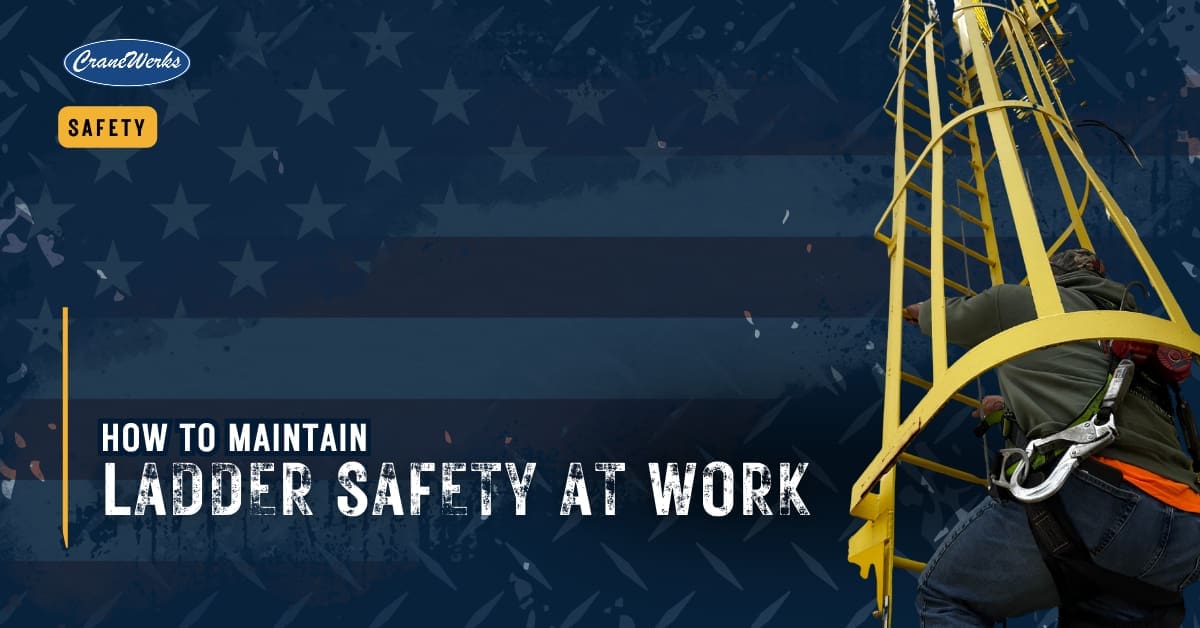
Know the OSHA Line in the Sand for Ladder Safety
If you’re working with a fixed ladder over 24 feet, OSHA requires it to be equipped with a personal fall arrest system (PFAS) that’s fastened to the ladder or the structure itself. On top of that, landing platforms are required every 30 feet. No shortcuts. No gray area.
Any fixed ladder installed on or after November 19, 2018, that uses a cage or well and does not have a ladder safety system or PFAS, will not comply with current OSHA requirements. Period.
And if you replace a fixed ladder, cage, or well after that date? You’re on the hook to upgrade it with a ladder safety system or PFAS to stay compliant. Old habits don’t grandfather you in.
Why We Choose Vertical Lifeline Systems for Ladder Safety
Modern ladder safety systems do two things: Check a compliance box and more importantly – they’re built to work in the real world. Vertical lifeline systems used in industrial environments are typically flexible cable systems with a top and bottom bracket acting as an anchor for a steel cable that runs the length of the climbing area.
Stop Falls Faster
These systems allow for hands-free climbing and protection, automatically following the user, which make falls less common.
Corrosion Resistant
Galvanized and stainless steel options stand up to harsh environments for added longevity.
Built for Real Crews
Intermediate cable guides prevent cable wear against the ladder and permit the climber to bypass without disconnecting.
Shock Absorbant
Integrated shock absorbing top bracket reduces forces on the structure during a fall. Implementing systems like these for ladder safety help reduce falls, but we’re still proactively planning to stay safe.