Oversharing at Work
Understanding the Risks
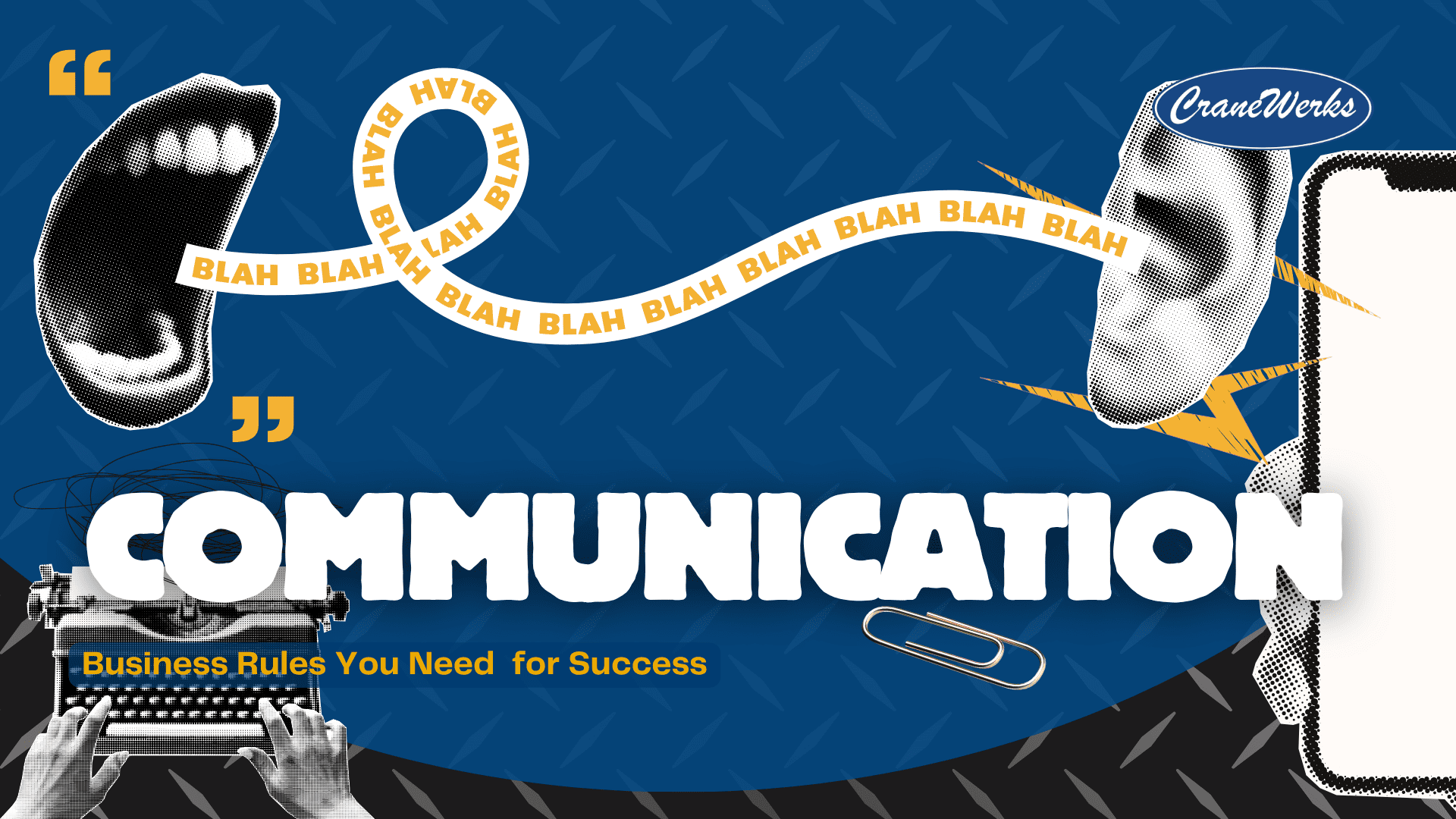
Oversharing at work can create a whole domino effect of issues—it can damage your professional reputation, disrupt trust, interpersonal relationships, and even create legal complications. Recognizing and addressing oversharing is important to maintain a positive work environment. In this article, we’ll explore what oversharing is, how to assess it, and effective strategies for handling it.
Published June 24, 2026 | Edited June 24, 2026
Oversharing is often a rush of sudden, impulsive desire for connection, often driven by nervousness or overwhelm. It can feel like “word vomit,” sometimes leaving you feeling regretful and making you and others uncomfortable. It’s common when people have a lack of a healthy filter to gauge what is appropriate for a specific audience or environment.
Revealing overly personal details, emotions, or opinions that make coworkers uncomfortable or compromise your professional reputation are all considered oversharing. When it builds a rapport with your coworkers, it’s healthy. If the focus shifts to private drama, polarizing topics, or inappropriate vulnerabilities – it’s time to draw the line.
Oversharing sounds like:
“My stomach has been killing me all morning, and the doctor thinks it’s either an ulcer or a parasite. I had the grossest diarrhea before I left the house…”
“I am so stressed about rent this month. Between my credit card debt and my car payment, I literally have $15 in my checking account until we get paid.”
“I’m so hungover from that bar crawl on Sunday. I ended up taking five shots of tequila and didn’t get to bed until 4 a.m.”
“Can you believe what Sarah said in the meeting? She always acts like she’s the boss. Honestly, I can’t stand working with her.”
This would sound better:
When evaluating oversharing, consider the intent and impact on the subject or your company. Some conversations are harmless and can help coworkers build relationships, understand office politics, and share positive feedback. If it’s leaning into gossip, inappropriate vulnerabilities, or polarizing topics, that’s when it’s time to address the situation.
 https://www.cranewerks.com/wp-content/uploads/2024/07/ETIQUETTE-TIME-MGMT-1.png
1080
1920
CraneWerks
https://www.cranewerks.com/wp-content/uploads/2023/09/CW_FC-WEB-Logo_23.svg
CraneWerks2026-07-02 14:35:512026-07-02 14:35:51Time Blocking: Building Your To-Do List into Your Calendar
https://www.cranewerks.com/wp-content/uploads/2024/07/ETIQUETTE-TIME-MGMT-1.png
1080
1920
CraneWerks
https://www.cranewerks.com/wp-content/uploads/2023/09/CW_FC-WEB-Logo_23.svg
CraneWerks2026-07-02 14:35:512026-07-02 14:35:51Time Blocking: Building Your To-Do List into Your Calendar https://www.cranewerks.com/wp-content/uploads/2024/06/ETIQUETTE-COMM.png
1080
1920
CraneWerks
https://www.cranewerks.com/wp-content/uploads/2023/09/CW_FC-WEB-Logo_23.svg
CraneWerks2026-06-30 10:56:592026-07-06 09:56:35Reading the Room at Work: Understanding Social Cues
https://www.cranewerks.com/wp-content/uploads/2024/06/ETIQUETTE-COMM.png
1080
1920
CraneWerks
https://www.cranewerks.com/wp-content/uploads/2023/09/CW_FC-WEB-Logo_23.svg
CraneWerks2026-06-30 10:56:592026-07-06 09:56:35Reading the Room at Work: Understanding Social Cues https://www.cranewerks.com/wp-content/uploads/2026/06/ETIQUETTE-PROFESSIONALISM.png
1080
1920
CraneWerks
https://www.cranewerks.com/wp-content/uploads/2023/09/CW_FC-WEB-Logo_23.svg
CraneWerks2026-06-30 10:52:582026-07-16 12:53:33The Impact of Attire and Workplace Well Being
https://www.cranewerks.com/wp-content/uploads/2026/06/ETIQUETTE-PROFESSIONALISM.png
1080
1920
CraneWerks
https://www.cranewerks.com/wp-content/uploads/2023/09/CW_FC-WEB-Logo_23.svg
CraneWerks2026-06-30 10:52:582026-07-16 12:53:33The Impact of Attire and Workplace Well Being
 The Impact of Attire and Workplace Well Being