 https://www.cranewerks.com/wp-content/uploads/2026/08/graphics_safe_sound_week_logo2026.png
841
2434
CraneWerks
https://www.cranewerks.com/wp-content/uploads/2023/09/CW_FC-WEB-Logo_23.svg
CraneWerks2026-08-25 11:49:202026-09-01 11:32:14Safe+Sound Week at CraneWerks
https://www.cranewerks.com/wp-content/uploads/2026/08/graphics_safe_sound_week_logo2026.png
841
2434
CraneWerks
https://www.cranewerks.com/wp-content/uploads/2023/09/CW_FC-WEB-Logo_23.svg
CraneWerks2026-08-25 11:49:202026-09-01 11:32:14Safe+Sound Week at CraneWerksWhen it comes to crane work, there are no shortcuts. Every pick, every connection, and every move carries real risk. At CraneWerks, we believe the best crews stay ready, stay disciplined, and stay proactive because nothing matters more than getting everyone home safe at the end of the day. Safety is important to us.
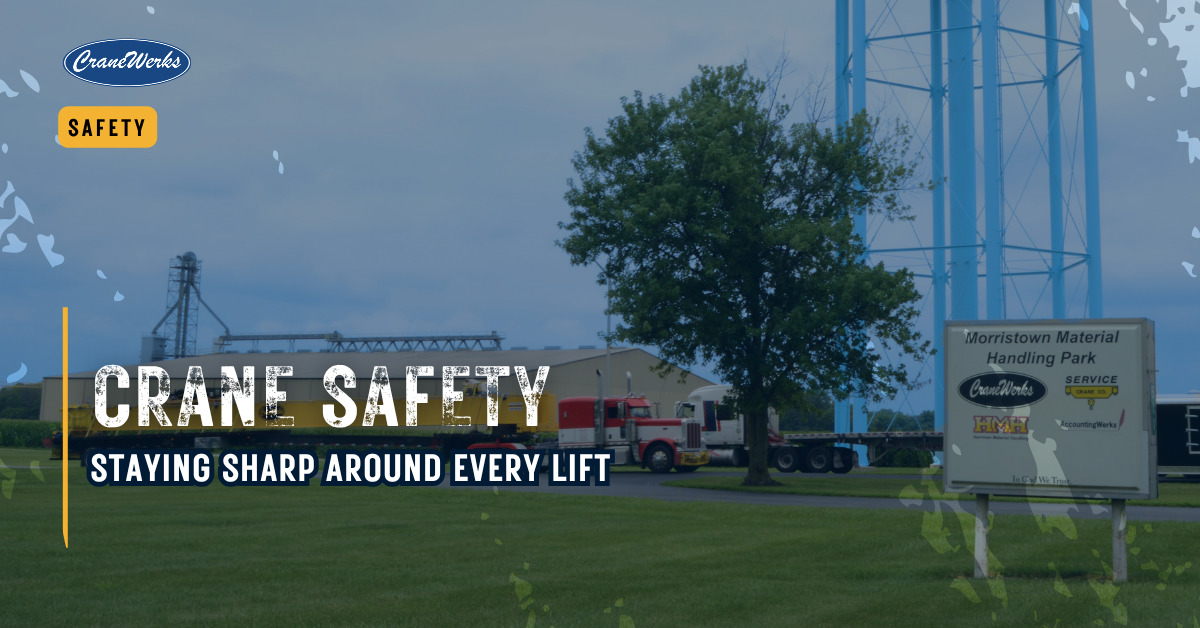
Here’s a practical look at the hazards we face and the habits that keep crews safe, based on a recent interview with CraneWerks Safety Manager Charles Maples.
The Hazards Are Always Changing
Crane work doesn’t happen in a controlled vacuum. Whether you’re in a facility or out in the field, conditions shift constantly.
The most common risks include:
• Rigging Failures Or Misuse
• Handling Large, Heavy Materials
• Site Specific Hazards that Change from Job to Job
That variability is what makes crane work challenging and why consistent safety practices matter so much.
The Risks We Underestimate
There are two hazards tend to get overlooked:
- The Size and Weight of Steel
It’s easy to grow comfortable around large components. But the sheer mass involved means even a small misstep can have serious consequences. - Electrical Lockout/Tagout (LOTO)
Because crews perform LOTO tasks daily, it can start to feel routine. That familiarity can lead to missed steps or assumptions both of which can be dangerous.
The takeaway: just because something is routine doesn’t mean it’s risk-free.
Spotting Trouble Before It Starts
The best crews prevent incidents before they happen. Two tools lead the way:
- Completing A Job Hazard Analysis (JHA) Before Starting Work
- Actively Reporting Near Misses
A strong JHA forces the team to slow down, evaluate the job, and align on risks and controls. Near miss reporting helps everyone learn and improve without waiting for an incident.

Before Any Lift: No Shortcuts
Every safe lift starts with preparation. Before lifting any load, crews should:
- Complete A Critical Lift Assessment
- Inspect Rigging And Lifting Equipment
- Verify Lift Capacities
Capacity checks rely on clear, accurate data. That includes:
- Bill Of Lading
- Engineering Drawings
- Dynamometer Readings
If there’s any doubt, stop and verify. Guesswork has no place in lifting.
Rigging Mistakes Carry Serious Consequences
Improper rigging can lead to:
• Near Misses
• Load Settling Or Dropping
• Property Damage
• Serious Injury Or Death
Prevention starts with attention to detail:
• Inspect Tags and Ensure They’re Legible
• Confirm Shackles and Chains Have Proper Stamping
• Use Corner Protection Where Required
Good rigging isn’t complicated, but it does require discipline every single time.
Weather Matters, Even Indoors
Most installations take place inside existing buildings, but weather can still play a role, especially during unloading or outdoor work.
Key guidelines:
- Stop Work in Lifts When Wind Speeds Reach 20 Mph Or Higher
- Continue Working in Rain When Conditions Remain Manageable
- Defer Lightning Decisions to the General Contractor
Even when work is inside, material handling and staging outside can introduce real risk.
Inspections Set The Tone For The Day
Daily pre-shift inspections are a must. This includes:
- Cranes
- Scissor Lifts and Boom Lifts
- Forklifts and Other Support Equipment
These checks catch issues early and keep small problems from becoming big ones.
Safe Installation Starts Before the Work Begins
Before any installation or service job, the team should complete a JHA and align on execution.
During crane installation or maintenance, proper fall protection is critical:
- Harness and Lanyard Systems
- Guidewire Setup for Beam Walking When Needed
No exceptions. Working at height demands full protection.
Assembly And Disassembly: High-Risk Moments
Some of the most dangerous phases of crane work happen during assembly and disassembly.
Key risks include:
- Falling Loads
- Struck-By Hazards
- Crush Injuries
Crews can reduce risk by:
- Ensuring components are properly secured during placement
- Installing at least one fastener per connection point during assembly
These simple steps stabilize the structure and protect the team.
The Bottom Line: Discipline Drives Safety
Crane safety isn’t about one big decision. It’s about hundreds of small, consistent ones:
- Taking The JHA Seriously
- Double-Checking Rigging
- Respecting Load Limits
- Staying Alert to Changing Conditions
At CraneWerks, safety is a part of who we are. When our crews stay sharp, our dealers can confidently say “yes!” to their customers, knowing the work will be done right.
Published June 17, 2026 | Edited August 4, 2026
Related Articles
https://www.cranewerks.com/wp-content/uploads/2026/08/graphics_safe_sound_week_logo2026.png
841
2434
CraneWerks
https://www.cranewerks.com/wp-content/uploads/2023/09/CW_FC-WEB-Logo_23.svg
CraneWerks2026-08-25 11:49:202026-09-01 11:32:14Safe+Sound Week at CraneWerks
https://www.cranewerks.com/wp-content/uploads/2026/06/SAFETY-FEAT-IMG-1.png
628
1200
CraneWerks
https://www.cranewerks.com/wp-content/uploads/2023/09/CW_FC-WEB-Logo_23.svg
CraneWerks2026-06-17 10:31:262026-08-04 14:16:04Crane Safety: Staying Sharp Around Every Lift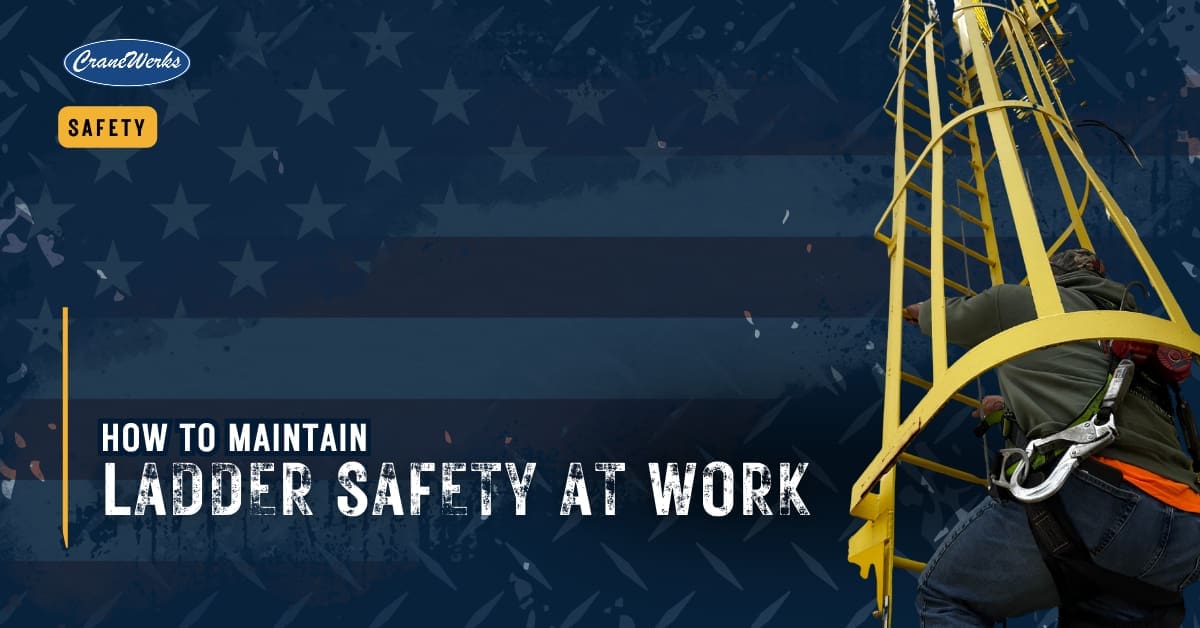 https://www.cranewerks.com/wp-content/uploads/2026/01/2026-LADDER-SAFETY-FEAT-IMG.jpg
628
1200
CraneWerks
https://www.cranewerks.com/wp-content/uploads/2023/09/CW_FC-WEB-Logo_23.svg
CraneWerks2026-01-07 11:24:362026-05-01 13:48:32How to Maintain Ladder Safety at Work
https://www.cranewerks.com/wp-content/uploads/2026/01/2026-LADDER-SAFETY-FEAT-IMG.jpg
628
1200
CraneWerks
https://www.cranewerks.com/wp-content/uploads/2023/09/CW_FC-WEB-Logo_23.svg
CraneWerks2026-01-07 11:24:362026-05-01 13:48:32How to Maintain Ladder Safety at Work
